Why Do We Celebrate International Days and Awareness Events?
Explore the history, purpose, and global impact of international observances and how they shape our collective awareness.
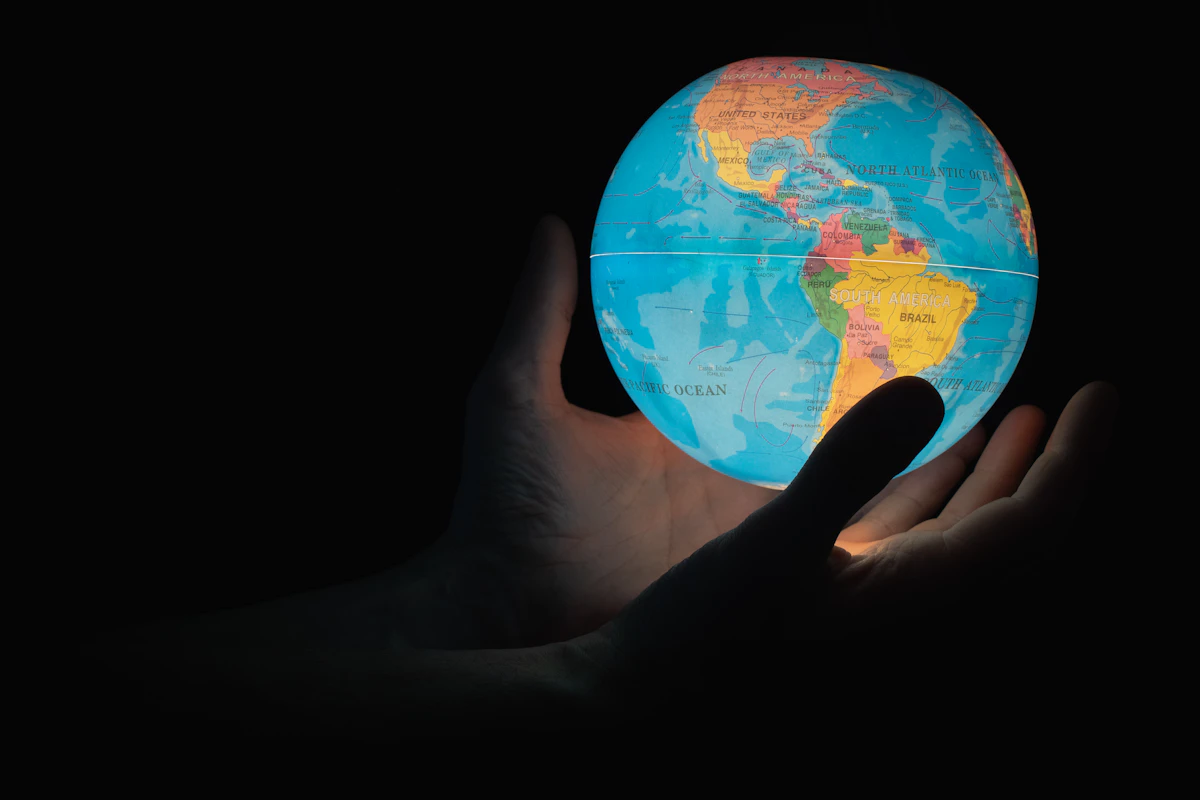
The Global Significance of Observances
In a world often divided by borders, politics, and culture, International Days serve as a unique global language. These observances are not just entries on a calendar; they are powerful tools for advocacy, education, and political mobilization. From celebrating human achievements to highlighting urgent global crises, international days focus the world's attention on what truly matters.
A Brief History of International Observances
The tradition of dedicated days for specific causes gained significant momentum with the establishment of the United Nations. While some observances predated the UN, the organization formalized the process of designating "World Days" to promote international cooperation. The goal was simple: to create a platform where every nation could rally around common human values.
The Role of the United Nations
The UN is the primary architect of the international calendar. Most official World Days are established by resolutions of the UN General Assembly. These days are often proposed by member states to address specific themes—such as human rights, health, environmental protection, or social development. For instance, World Environment Day (June 5) was established in 1972 to mark the opening of the Stockholm Conference on the Human Environment.
How Awareness Days Are Selected
The selection process is rigorous. A day is typically proposed based on its relevance to the UN's pillars: Peace and Security, Human Rights, and Development. The proposer must demonstrate that the observance will contribute to the achievement of the UN Charter's goals. Once adopted, the UN and its specialized agencies (like WHO or UNESCO) lead the global coordination of the event.
Why These Observances Matter
You might ask, "Does having a 'day' actually change anything?" The answer is a resounding yes. These observances perform several critical functions:
- Raising Awareness: They educate the public on issues of concern, from rare diseases to climate change.
- Mobilizing Resources: Many days serve as a catalyst for fundraising and volunteerism.
- Political Pressure: They provide a platform for citizens to demand action from their governments.
- Building Community: They remind us that we are part of a global family facing shared challenges.
Popular International Days
Some days have become household names. International Women's Day (March 8) is a massive global event celebrating women's achievements and advocating for gender equality. Earth Day (April 22), though not originally a UN day, is now celebrated by over a billion people in nearly 200 countries as the world's largest environmental movement.
The Educational and Social Impact
In schools and universities, international days are used as "teachable moments." They allow educators to bring global issues into the classroom, fostering a sense of global citizenship in younger generations. Socially, these days help marginalized groups find a voice and feel seen by the international community.
Discovering the World with the Today App
With hundreds of international, national, and awareness days happening every year, it can be difficult to keep track. This is where modern technology comes in. The Today app for Android acts as your personal window into the global calendar. Instead of searching for "what day is it today," the app provides you with detailed insights, historical context, and interesting facts about every observance, right at your fingertips.
By using the Today app, you can ensure that you never miss an opportunity to learn about a new culture, support a vital cause, or simply broaden your perspective on the world. It’s an essential tool for anyone who wants to stay connected to our collective human story.
Conclusion
Celebrating international days is an act of solidarity. It is a commitment to remembering our past, honoring our diversity, and working toward a better future. Whether it's a day for peace, a day for the ocean, or a day for human rights, each observance is a step toward a more conscious and compassionate world.
Frequently Asked Questions
| Question | Answer |
|---|---|
| Who decides which days are 'International'? | Most are designated by the UN General Assembly, while others come from specialized agencies or global NGOs. |
| Can anyone propose an international day? | Technically, proposals must come through a UN member state, but they are often driven by grassroots movements and civil society. |
Stay informed and inspired by exploring the Today app on the Google Play Store.

Master Today
Experience the best of information with our premium Android application.