Tithi Explained: How Lunar Days Shape Hindu Festivals and Rituals
Learn about the lunar day calculation and its significance in determining auspicious timings for rituals.
The Concept of Tithi
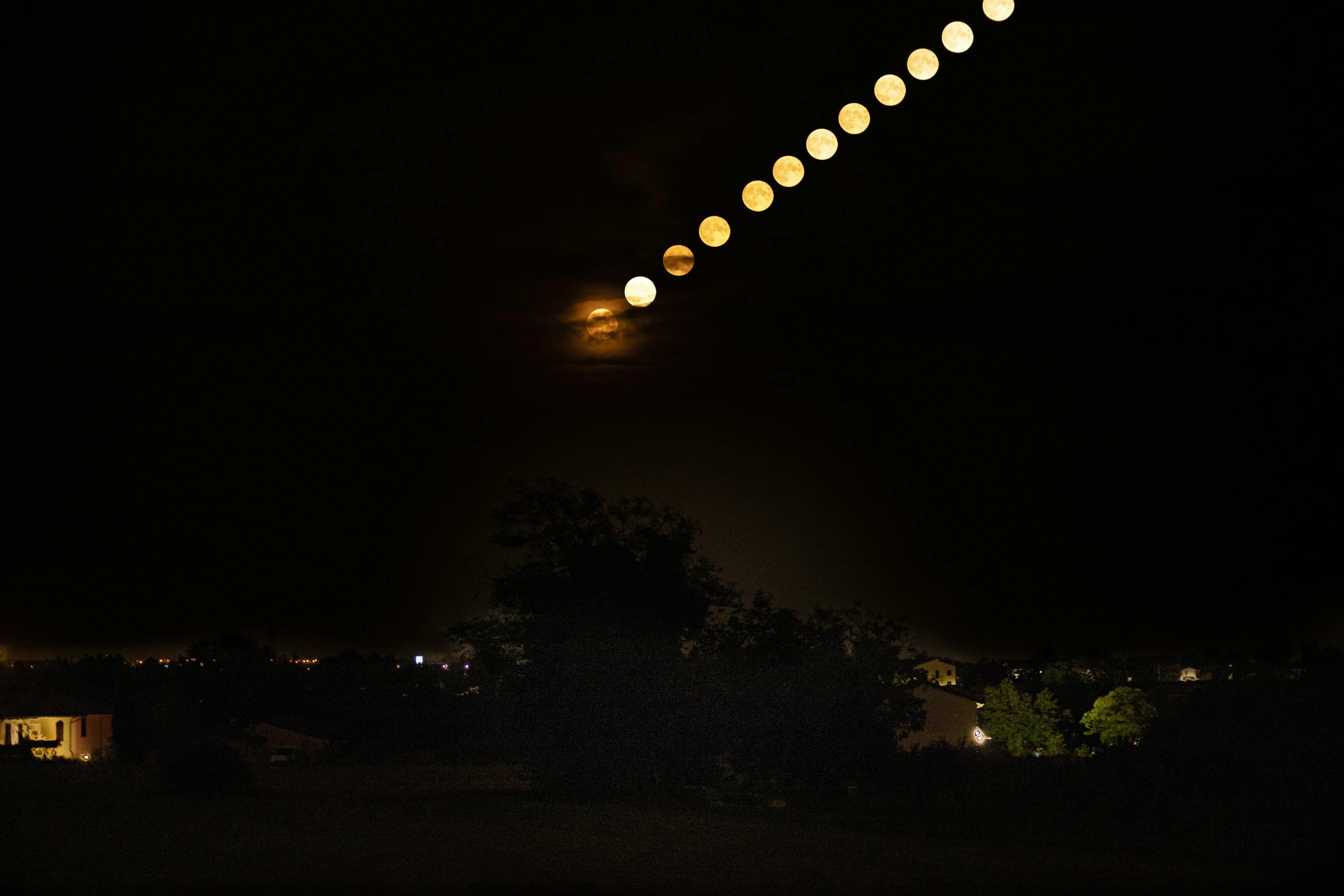
In the Hindu system, a day is not defined by the clock but by the moon. A Tithi is a lunar day, specifically the time it takes for the longitudinal angle between the moon and the sun to increase by 12 degrees. Because the moon moves at varying speeds, Tithis do not last exactly 24 hours. They can begin and end at any time of the day or night.
The Calculation: Shukla and Krishna Paksha
A lunar month consists of 30 Tithis, divided into two fortnights (Pakshas):
- Shukla Paksha (Bright Fortnight): The waxing phase, from the New Moon (Amavasya) to the Full Moon (Purnima).
- Krishna Paksha (Dark Fortnight): The waning phase, from the Full Moon to the New Moon.
The Names of Tithis
Both Pakshas share the same names for the first 14 Tithis, such as Pratipada (1st), Dwitiya (2nd), and Tritiya (3rd), culminating in either Purnima (15th of Shukla) or Amavasya (15th of Krishna).
Significance in Festivals
Most Hindu festivals are tied to a specific Tithi. For example, Diwali is celebrated on the Amavasya of the month of Kartik, while Maha Shivaratri occurs on the Chaturdashi of the Krishna Paksha in Phalguna. Understanding the Tithi is essential for anyone wishing to observe these traditions accurately.
The Role of Ekadashi
The 11th Tithi, known as Ekadashi, holds immense spiritual significance. It occurs twice a month and is traditionally a day of fasting and meditation. Scientific studies on lunar cycles suggest that these specific days correlate with changes in atmospheric pressure and human physiology, making them ideal for detoxification.
Date vs. Tithi
A common point of confusion is why festivals seem to "shift" dates every year on the Gregorian calendar. This is because the Gregorian calendar is solar, while festivals follow the lunar Tithi. A Tithi might span across two Gregorian dates, or two Tithis might fall on a single day (known as a 'Kshaya' Tithi).
Determining Auspiciousness
Not all Tithis are considered equal for all activities. Some, like 'Rikta' Tithis (4th, 9th, 14th), are avoided for new beginnings but considered powerful for spiritual practices or 'cleansing' activities. Conversely, 'Siddha' Tithis are excellent for starting new projects.
Practical Application with Technology
Calculating the exact start and end times of a Tithi requires complex astronomical math. Fortunately, tools like the Hindu Panchang app handle these calculations automatically based on your current location, ensuring you never miss the precise window for an Ekadashi fast or a festival celebration.
Quick Reference Table
| Tithi Number | Sanskrit Name | General Nature |
|---|---|---|
| 1 | Pratipada | Growth, Beginnings |
| 11 | Ekadashi | Spiritual, Fasting |
| 15 (Shukla) | Purnima | Fullness, Celebration |
Master Anant Panchang: Hindu Calendar
Experience the best of utility & lifestyle with our premium Android application.